The day of the Blackwood poisoning
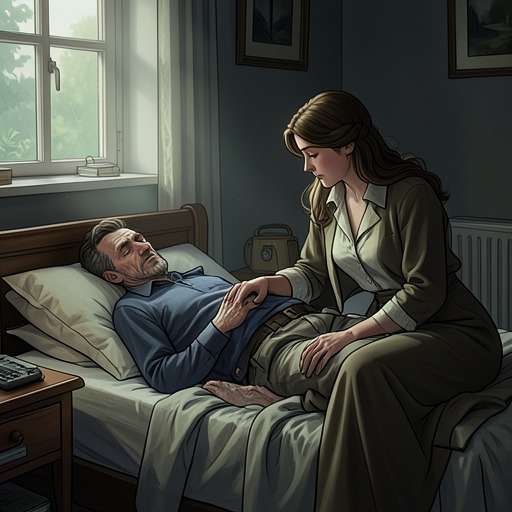
We Have Always Lived in the CastleThe day of the Blackwood poisoning is remembered as the ordinary day that became the last for much of the family. In Julian Blackwood’s account, breakfast and lunch unfold amid familiar domestic routines: Constance Blackwood works with vegetables, John Blackwood whistles as he comes downstairs, and Thomas Blackwood climbs a chestnut tree. At dinner, the family gathers around its usual table, where arsenic in the sugar turns an evening meal into a fatal event. The recollection gains force from the contrast between that routine and its consequence, while details about who was present, what was eaten, and what happened to the sugar bowl preserve the day as a persistent question within the household.
The Last Morning and Lunch
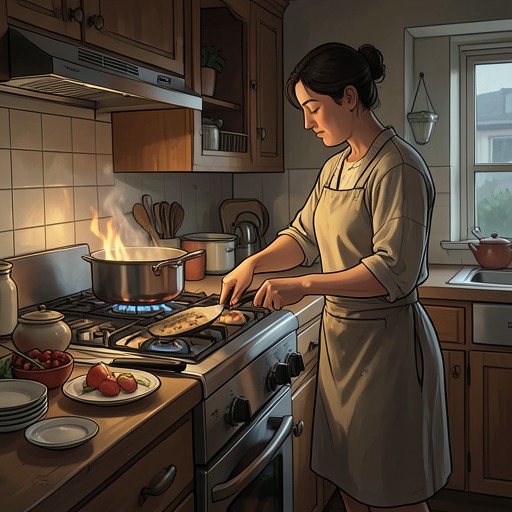
Julian recalls waking to a bright morning, unaware that it would be the last day for several members of his family. Constance was already downstairs, moving about the kitchen. John came down after her, whistling; Julian initially confuses the order of family members as he tells the story, then corrects himself. In the remembered household, small sounds and habits—someone at work in the kitchen, John’s familiar tune—are part of the day before its meaning changes.
Thomas, then ten, climbed the chestnut tree and called down from high among its branches, dropping twigs. His mother disliked them falling into her hair, as did Dorothy, Julian’s wife, though Julian recalls Dorothy as unlikely to be the first to speak sharply. The episode places the family together in an ordinary outdoor scene and records the minor disagreements that Julian says existed among them. He describes them as no more than the frictions of family life, not as an explanation for what followed.
Lunch was a rarebit. Constance had spent the morning working with vegetables and prepared it quickly. Julian later wonders why the arsenic was not put into that dish, which he strongly disliked; he speculates that, had it been poisoned, the family’s deaths would have come hours sooner. The remark reveals how he revisits the day through its meals, turning even an ordinary lunch into a question about the sequence of events. It does not establish that the rarebit was considered or prepared as a vehicle for poison.
The Dinner and the Poison
That evening’s meal was a family gathering around the dining-room table. Julian describes the table as round and, after the deaths, too large for the diminished household. He remembers John seated at its head, with the windows behind him and the decanter before him, in keeping with the position John took pride in as head of the family. The table had once held a larger family, and Julian later calls it a kind of monument to that lost gathering.
The family members at dinner included John, his wife, Julian, Dorothy, Thomas, and Constance. Mary Katherine Blackwood, twelve years old, was not there: she had been sent to her room without supper. Her absence is part of Julian’s reconstruction of the seating and the evening, not evidence that she took part in the meal. The account establishes the striking division between those at the table and the child upstairs, but offers no further explanation for her being sent to bed.
The poison was arsenic in the sugar. Julian says he used that sugar on blackberries, but took very little. He presents his survival as the result of chance: some family members took enough to die, while others, in his telling, took too little. The detail makes the sugar’s place at an otherwise familiar meal decisive. Julian’s account does not give a complete inventory of who ate how much; it emphasizes the unequal, unintended consequences of the same dish being passed around the family table.
The Sugar Bowl and Constance’s Actions
The sugar had been kept in a heavy silver bowl, a family heirloom prized by John. After the meal, while the other dishes remained on the table, Constance carried the bowl to the kitchen, emptied it, and scrubbed it thoroughly with boiling water. She did this before the doctor or police arrived. Julian singles out the act as curious because it removed the bowl’s contents and altered an object connected directly to the poisoning before officials could examine it.
Constance explained that there had been a spider in the bowl, and that this was what she told the police. The narrative also records a separate account of her conduct during the deaths: she saw family members dying around her and did not call a doctor until it was too late. These facts form part of the suspicion attached to her after the event, but the recollection as presented does not resolve her reasons for washing the bowl or establish a motive. Her practical act in the kitchen and her failure to summon help remain central, concrete details through which the day is remembered.
The Table’s Afterlife
The poisoning continues to shape how the Blackwoods’ home and domestic objects are understood. Julian tells a visitor that the family still eats in the dining room where the tragedy happened, and describes the overlarge table as a remnant of the family that once gathered there. The meal is therefore not only a past event in his account: the room’s continued use keeps its setting present, while the table stands as a material reminder of the household’s changed size.
Later, after the house has been wrecked, the small rose-covered sugar bowl used for tea lies broken in the kitchen, its handles gone. The damaged bowl is not the heavy silver heirloom used for the poisoned sugar, and the destruction belongs to a much later episode. Still, the recurrence of a sugar bowl among the remains of the domestic interior shows how objects associated with ordinary meals acquire a history of danger and loss. In Julian’s recollection, the poisoning day is fixed by precisely this collision: the family’s everyday arrangements remain recognizable, but the dinner table and sugar can no longer be separated from the deaths they witnessed.